
How to Choose the Right Concrete Surface for Your Property
When you install concrete on your property, you are making a decision that will affect your daily life for the next 20 to 30 years or more. The concrete finish you choose will determine how safe your driveway is in an Edmonton winter, how much curb appeal your front entrance adds to your home, and how much time you spend on maintenance each season. This is not a decision to rush through.
When we talk about a concrete surface in this guide, we are referring to the finish and style you see and walk or drive on, whether that is a broom finish with linear texture, stamped concrete that mimics natural stone, exposed aggregate showing decorative stones, or polished concrete with a sleek modern look. Edmonton homeowners typically consider these surfaces for driveways, walkways and steps, front porches, backyard patios, garage pads, and basement floors. This guide will walk you through the process step by step: define your concrete needs, review the available surface types, factor in Edmonton’s climate and your budget, and plan for long-term care. By the end, you will have everything you need to make an informed decision that works for your property and your lifestyle.
Key Takeaways
- The right concrete surface depends on how you will use each area of your property, Edmonton’s specific climate, and your desired appearance, whether that is a practical broom-finish driveway or a decorative stamped patio for outdoor entertaining.
- Edmonton’s extreme freeze-thaw cycles, frost heave, and heavy use of de-icing salts require surfaces built with air-entrained concrete mixes and proper slip resistance, making finish selection just as important as aesthetics for safety and longevity.
- Proper base preparation, curing, and regular sealing matter just as much as the surface style you choose, and skipping any of these steps can undermine even the best finish within just a few years.
Is This the Right Surface for Every Area? Here Is How to Decide
Not every concrete surface performs the same way in every location, and what works beautifully on a covered patio can become a safety hazard on a frost-covered front step. Edmonton homeowners need to think beyond appearance and consider how each area of their property will actually be used before choosing a finish. The following sections walk through the key factors, from function and surface type to climate performance, budget, and long-term care, so you can make a confident, well-informed choice that holds up for decades.
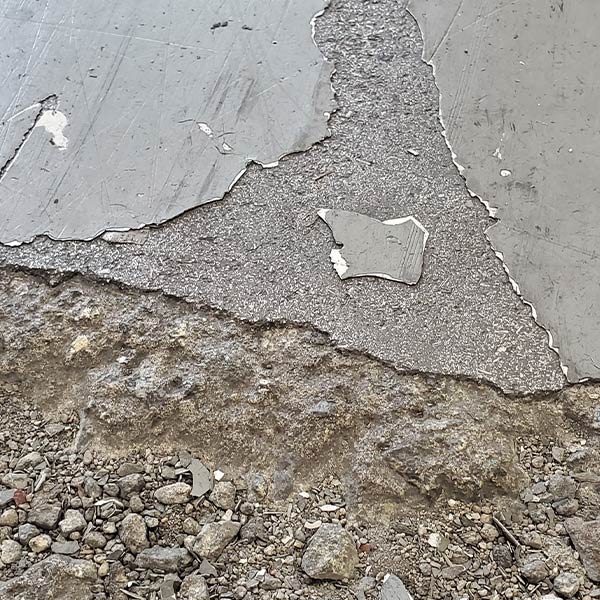
Step 1: Define How Each Area of Your Property Will Be Used
Function comes first when choosing the right concrete for any project. A surface that handles heavy vehicle traffic has completely different requirements than one designed for bare feet on a patio or a quiet backyard garden path. Before you consider appearance or cost, map out exactly how each area of your property will be used.
Consider these common zones and their demands:
Driveways handle heavy loads from vehicles and snow removal equipment, and are constantly exposed to de-icing salts throughout Edmonton winters. A double driveway in a newer Windermere or Summerside subdivision needs to withstand daily traffic from multiple vehicles, plus occasional delivery trucks, all while resisting damage from plows and road salt.
Walkways and front entries experience year-round foot traffic and pose a real ice risk during Edmonton’s long winters. These surfaces must balance safety with visual appeal since they are often the first thing visitors notice about your property.
Patios and outdoor living spaces serve as extensions of your living area, hosting seating, BBQs, fire pits, and outdoor dining during Edmonton’s warm summer months. A backyard patio renovation might prioritize comfort underfoot and aesthetics that complement existing landscaping.
Garage pads face constant vehicle traffic, exposure to oil and fluids, and the added stress of temperature cycling in attached garages during Edmonton winters. These surfaces need durability above all else.
Basement floors range from functional storage and workshop spaces to modern finished living areas. Indoor spaces have different requirements than exterior surfaces, as they are protected from weather but may still face heavy loads, chemical exposure, or high foot traffic.
Different zones on the same property may require different surface types to perform optimally. Your driveway might need a durable broom finish, while your patio calls for decorative stamped concrete.
Step 2: Know the Main Types of Concrete Surfaces
Most residential projects in Edmonton use a handful of proven surface types. Understanding what each finish offers in terms of look, feel, and performance helps you narrow down options quickly and have productive conversations with contractors.
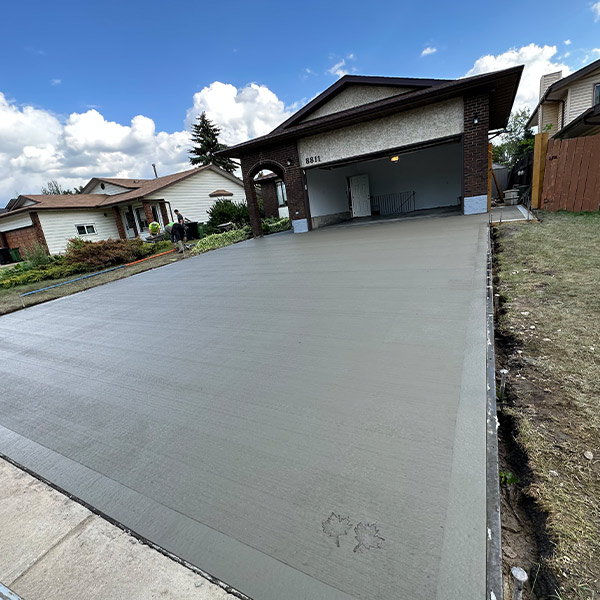
Broom-finished concrete is the workhorse of exterior surfaces. After the concrete is leveled, workers drag a broom across the top to create a linear texture that provides reliable slip resistance. This finish delivers consistent results for driveways, sidewalks, and any area where traction matters more than decorative appeal. For driveways, expect a typical thickness of 4 to 5 inches over a compacted granular base. With good installation and maintenance, broom-finished concrete commonly lasts 25 to 30 years in Edmonton conditions.
Stamped concrete uses patterns pressed into fresh concrete to mimic the appearance of stone, brick, or tile at a fraction of the cost of those natural materials. This decorative option works beautifully for patios, walkways, and homeowners wanting to add visual interest to their front entrance or driveway borders. It can be customized with various colours through integral pigments or surface-applied hardeners. Stamped surfaces require more specialized labour and need resealing every few years to maintain their colour and protect against Edmonton’s harsh weather.
Exposed aggregate reveals the crushed stone within the concrete mix by washing away the smooth top surface before it fully cures. The result provides excellent grip and a natural look that complements landscaping. This finish is popular for driveways where homeowners want more visual interest than a broom finish provides, and it performs well in areas that stay wet during spring runoff or heavy rainfall. Exposed aggregate typically sits between broom and stamped finishes in both cost and appearance.
Smooth, troweled, and polished concrete creates sleek, modern surfaces ideal for indoor spaces, garage pads, and covered areas where ice and rain are not a concern. Polished finishes can transform a basement floor into a striking, easy-to-clean surface. However, smooth finish concrete becomes dangerously slippery when wet, making it unsuitable for most outdoor areas in Edmonton’s climate.
Specialty textured finishes include options such as salt finishes and lightly sandblasted surfaces, which are often specified for high-traffic areas where maximum slip resistance is needed without sacrificing visual appeal.
Step 3: Match Your Concrete Surface to Location and Climate
Edmonton’s climate presents unique challenges for exterior concrete. We experience some of the most severe freeze-thaw cycling in Canada, and the combination of frost heave, clay soils, and heavy de-icing salt use can damage improperly installed concrete within just a few years.
Textured finishes like broom, exposed aggregate, and certain stamped textures provide the safest options for sloped driveways and walkways that ice over from November through March, front steps and entrances where visitors arrive during rain or after snowfall, and patios and outdoor areas that see spring melt and pooling water.
When planning your project, keep these Edmonton-specific considerations in mind. Avoid high-gloss smooth finishes on any outdoor surface where ice is possible, since the concrete’s durability is irrelevant if the surface becomes a hazard. Always choose air-entrained concrete mixes for all exterior work to prevent freeze-thaw damage, especially for exposed aggregate and decorative surfaces. Consider lighter colours for south-facing patios to reduce summer heat buildup, and ensure all surfaces are graded to drain water away from your home’s foundation footings and retaining walls.
Step 4: Balance Aesthetics, Maintenance, and Budget
The most attractive surface is not always the most practical choice for every homeowner. Finding the right balance between visual appeal, ongoing care requirements, and installation cost helps ensure you are satisfied with your decision for decades to come.
From an aesthetic standpoint, stamped concrete can achieve the look of natural flagstone or brick at a lower installed cost than real stone, making it appealing for homeowners who want decorative finishes without premium material prices. Exposed aggregate complements natural landscaping beautifully and ages gracefully in Edmonton’s climate. Even a simple broom finish looks clean and modern when enhanced with saw-cut patterns or contrasting borders that add visual interest without significantly increasing costs.
Maintenance requirements vary between surface types. Stamped and exposed aggregate surfaces need resealing every two to four years to maintain colour and protect against salt damage. Broom-finished driveways typically demand less cosmetic upkeep, focusing mainly on periodic sealing and crack repairs as needed. Polished interior floors require regular cleaning with non-abrasive products, but are generally low-maintenance compared to other flooring options.
Budget considerations should factor in both initial installation and long-term care. Decorative stamped surfaces cost more per square foot than plain broom finishes due to additional labour, colour hardeners, release agents, and sealers. Exposed aggregate typically falls between broom and stamped in cost, offering a solid balance of appearance and value. Larger continuous areas make decorative upgrades more cost-sensitive, so a 900-square-foot stamped driveway represents a significantly larger investment than a 200-square-foot front porch with the same finish.
Step 5: Popular Concrete Surface Choices by Area
Driveways benefit most from broom finish or exposed aggregate, both offering excellent traction for vehicles and pedestrians while handling the heavy use Edmonton driveways experience year-round. For homeowners wanting additional curb appeal, stamped borders framing a broom-finished interior deliver visual interest along the edges while keeping the main driving surface practical. Proper slope directing water away from your garage pad and foundation is essential.
Walkways and front steps create first impressions, making them good candidates for exposed aggregate or stamped patterns for a higher-end look. Step nosings and edges should always have a slightly textured finish for safety, even if the main surface is decorative. Proper grading prevents water from pooling and freezing on walkways through Edmonton’s long winters.
Patios and outdoor living spaces offer the best opportunities for decorative concrete, as they are focal points for entertaining during Edmonton’s warm summer months. Stamped, coloured, or exposed aggregate surfaces all work well here. Consider combining textures, with a stamped main area and smoother sections under furniture, to provide both aesthetic appeal and functional comfort. Always ensure drainage slopes away from your home’s foundation.
Garage pads and basement floors can benefit from smooth or lightly polished finishes, as they are protected from the weather. Epoxy coatings work well for workshops where chemical and stain resistance matter, and clear sealers protect against oil and make cleaning easier year-round.
Step 6: Installation Quality, Curing, and Long-Term Care
Even the ideal surface choice can fail if base preparation, concrete mix, and proper curing are not handled correctly. The long-term performance of your finished surface depends heavily on what happens before and immediately after the pour.
Proper installation requires adequate excavation to remove organic material and unstable soil, followed by a compacted granular base, typically 4 to 6 inches of crushed stone for driveways and garage pads. The concrete mix must match the application, and all exterior surfaces in Edmonton need air-entrained mixes to survive our freeze-thaw cycles. Finishing timing matters significantly, especially for stamped and exposed aggregate work, where overworking the surface compromises the final result.
To protect your investment over the long term, keep the new exterior concrete protected and moist for at least seven days after placement, since covering with plastic sheeting or applying curing compounds helps the concrete develop full strength. Limit heavy vehicle loads for 28 days to allow the concrete to achieve full structural integrity. Apply the first sealer approximately 28 days after installation, depending on the product and weather conditions. During the first Edmonton winter, use sand rather than de-icing salts and avoid metal-edged snow shovels that can damage fresh surfaces. Establish a resealing schedule of every 2 to 4 years for decorative finishes and every 3 to 5 years for broom finishes.
Step 7: When to Consult a Concrete Specialist
While straightforward projects can be relatively straightforward, properties with unique features or prior problems benefit significantly from professional input. Expert guidance ensures the right finish for each area and prevents costly mistakes.
Consider a professional consultation when your project involves large driveways handling multiple vehicles or light commercial traffic, properties with previous cracking, settlement, or drainage problems that indicate underlying issues requiring attention before new concrete is placed, plans combining different surfaces on the same property, or steep driveways and uneven terrain in Edmonton’s newer developments and hillside communities.
When engaging a specialist, request a site visit and accurate measurement of all areas. Ask for design suggestions that include 2 to 3 surface options with realistic cost ranges for your specific project. Review portfolio photos of similar work completed in the Edmonton region, since local experience with our climate and soil conditions matters when specifying concrete mix designs and base preparation methods.
About Con-Tile Industries
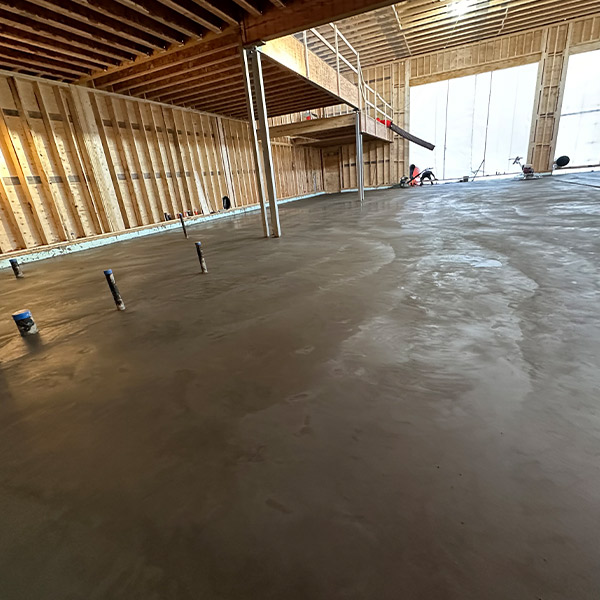
Con-Tile Industries has been Edmonton’s trusted concrete contractor since 2005, proudly serving homeowners and businesses across the region, including Sherwood Park, St. Albert, Spruce Grove, Fort Saskatchewan, Leduc, and surrounding communities. As a Red Seal certified journeyman concrete finishing company, Con-Tile Industries brings the training, experience, and equipment to handle projects of any size, from residential driveways and patios to commercial slab-on-grade foundations and mezzanine floors.
Their commitment to quality materials, proper subgrade preparation, and lasting results has made them one of the most respected names in the Edmonton concrete industry. Whether you need a new installation, a full concrete replacement, or decorative finishes that elevate your property’s appearance, Con-Tile Industries delivers workmanship built to perform through decades of Alberta winters.
Summary
The right concrete surface balances safety, appearance, climate performance, and maintenance requirements into a solution that serves your Edmonton property well for 20 years or more. There is no single best finish; there is only the right finish for your specific situation.
Start by defining use and traffic patterns for each area of your property. Shortlist 2 to 3 suitable surface types based on those requirements, weigh Edmonton’s climate demands, your maintenance capacity, and your budget, then confirm all details with a professional concrete installer before signing any contract. Quality concrete surfaces boost property value, enhance daily comfort, and eliminate the frustration of premature repairs caused by poorly planned installations.
Frequently Asked Questions
How long do concrete surfaces typically last in Edmonton’s climate?
With proper installation and regular maintenance, most exterior concrete surfaces in Edmonton last 25 to 35 years. Premature failure is almost always tied to poor base preparation, insufficient curing, or skipped sealing rather than the surface style itself.
Can I get a decorative finish on my Edmonton driveway, or is a broom finish my only practical option?
Decorative finishes, including exposed aggregate and stamped concrete borders, are absolutely viable for Edmonton driveways when installed with air-entrained concrete mixes and appropriate sealers. Con-Tile Industries can walk you through options that balance curb appeal with the traction and durability your driveway needs year-round.
What is the best time of year to install concrete in Edmonton?
Late spring through early fall, typically May through September, provides the best conditions for exterior concrete work in Edmonton. Reach out to Con-Tile Industries early in the year to secure your preferred timing before the summer schedule fills up.
How do I know if my existing concrete can be resurfaced or needs full replacement?
Resurfacing works when the existing slab is structurally sound, but slabs with major heaving, cracks wider than 1/4 inch, or widespread spalling typically require full replacement. A professional site inspection from Con-Tile Industries will give you a clear, honest answer.
How do I ensure my contractor uses the right methods and materials for Edmonton?
Ask whether an air-entrained concrete mix will be used, how the base will be prepared, and what the curing process will look like, then get all specifications in writing. A reputable contractor like Con-Tile Industries answers these questions clearly and is happy to show examples of similar work completed locally.