
Concrete Air Entrainment Benefits: Complete Guide to Enhanced Durability and Performance
Key Takeaways
- Air entrainment creates microscopic air bubbles (typically 5-6% by volume) that dramatically improve concrete’s freeze-thaw resistance and prevent cracking in cold climates
- Enhanced workability reduces segregation and bleeding while improving placement and finishing, though compressive strength decreases by 3-7% per 1% air increase
- Reduced permeability and better surface finish make air-entrained concrete ideal for exposed structures, pavements, and marine environments
- Air-entraining admixtures per ASTM C260 standards are essential for exterior concrete in frost-prone areas and extend service life significantly
- Proper air content testing using pressure meters ensures optimal performance balance between durability and strength requirements
Every year, freeze-thaw damage costs the construction industry billions of dollars in repairs and replacements. When concrete freezes in cold climates, water expansion creates internal pressures that exceed the material’s tensile strength, leading to catastrophic cracking and structural failure. However, introducing microscopic air bubbles through air-entrainment technology has revolutionized the performance of concrete in harsh environmental conditions.
Air-entrained concrete represents one of the most significant advances in concrete technology, offering many concrete contractors a reliable solution for long-term performance in challenging conditions. By deliberately incorporating tiny air bubbles into the concrete mix through specialized air-entraining agents, engineers can significantly enhance the durability of concrete while maintaining its structural integrity.
Enhanced Freeze-Thaw Resistance
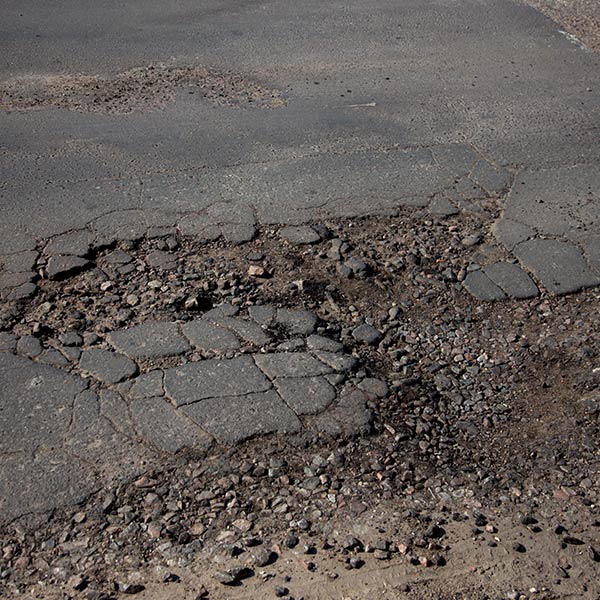
The primary benefits of concrete air entrainment center on exceptional freeze-thaw resistance, which protects structures from devastating environmental damage. When concrete freezes, water within the capillary pores expands by approximately 9%, creating internal pressure that can exceed 25,000 pounds per square inch. Without proper protection, these internal pressures caused by freezing temperatures lead to rapid deterioration and structural failure.
Microscopic air bubbles in air-entrained concrete provide essential relief chambers for expanding freezing water, preventing the buildup of destructive forces. These entrained air bubbles, typically ranging from 0.01 to 1 millimetres in diameter, are evenly distributed throughout the hardened concrete matrix at optimal spacing intervals. When concrete freezes, water moves through capillary action to these nearby air voids, where it can expand safely without generating internal stresses.
Research demonstrates that optimal air bubble spacing of 0.25 millimetres or less creates an effective pressure relief system throughout the concrete matrix. This precise distribution allows water to travel short distances to reach protective air voids, dramatically reducing the potential for freeze-thaw damage. Air-entrained concrete can withstand hundreds of freeze-thaw cycles, compared to rapid deterioration in conventional concrete after just a few seasonal cycles.
The protection extends beyond basic freeze-thaw conditions to include resistance against surface scaling from de-icing salts and chemical attack. When de-icing salts penetrate the concrete surface, they create additional crystallization pressures that compound freeze-thaw stresses. The entrained air bubbles help alleviate internal pressure resulting from these combined effects, thereby maintaining the integrity of the concrete surface even under severe exposure conditions.
This enhanced freeze-thaw resistance is critical for bridges, pavements, parking structures, and exterior building elements in climates that experience seasonal freezing. Many concrete contractors now specify air entrainment as standard practice for any concrete exposed to freezing temperatures, recognizing the substantial extension of service life it provides.
Improved Workability and Placement
Beyond the durability benefits, air entrainment significantly enhances the workability and placement characteristics of fresh concrete. The evenly distributed air bubbles act as microscopic ball bearings within the concrete mix, improving flow properties and reducing water requirements for proper placement. This improved workability directly translates into better construction productivity and higher-quality outcomes.
Air-entraining admixtures reduce bleeding and segregation by creating a more cohesive mix that maintains uniformity during transport and placement. The tiny air bubbles help bind the concrete components together, preventing heavier aggregates from settling and excess water from rising to the surface. This enhanced cohesion ensures consistent performance throughout the concrete structure, eliminating weak zones that could compromise long-term durability.
The better workability significantly improves pumpability for high-rise construction and complex architectural applications. Concrete with proper air content flows more smoothly through pumping lines and around complex reinforcement configurations without losing its homogeneous character. This enhanced flow reduces pumping pressure requirements and extends equipment life while ensuring complete consolidation in difficult-to-reach areas.
Construction crews benefit from easier finishing operations with reduced surface defects and improved texture consistency. The air bubbles help float aggregates away from the concrete surface, creating a more uniform paste layer that facilitates smooth finishing operations. This results in better surface appearance and reduced finishing labour requirements.
Enhanced consolidation around reinforcement and in tight spaces occurs without excessive vibration requirements. The improved flow characteristics allow air-entrained concrete to move more readily into congested reinforcement areas, ensuring complete encasement of steel elements. This improved consolidation reduces the risk of honeycombing and voids that could compromise structural integrity and steel protection.
Finishing Considerations
Air entrainment does require adjusted finishing techniques to achieve optimal results. Earlier timing is necessary for floating and troweling operations due to reduced bleed water in air-entrained concrete. Finishers must begin operations sooner after placement to prevent surface stiffening that can complicate finishing procedures.
Special attention becomes necessary on hot, windy days when accelerated surface drying can cause premature stiffening. The reduced bleed water means that less moisture reaches the surface, maintaining workability, which requires more careful timing and potentially additional surface moisture management. Experienced finishers adjust their techniques accordingly, often using fogging or evaporation retarders to maintain proper surface conditions.
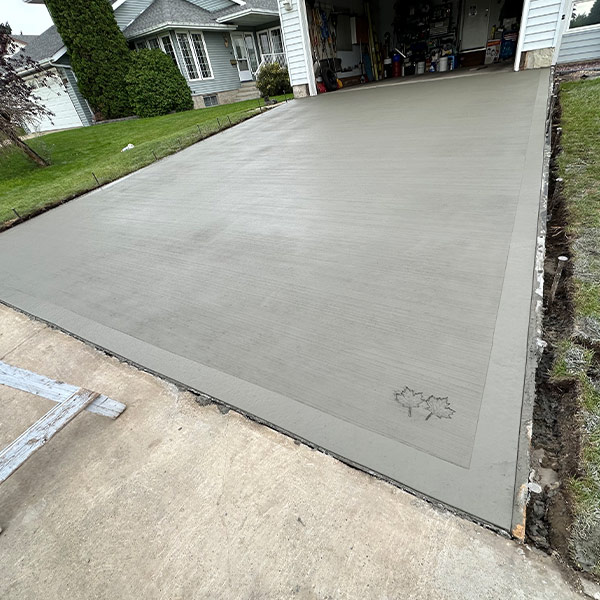
The improved surface texture and reduced bug holes in vertical surfaces benefit decorative concrete and stamped concrete applications. Air entrainment creates more uniform surfaces with fewer surface defects, providing a better background for architectural treatments and coloured concrete systems. This enhanced surface quality reduces the need for patching and repair work, which can compromise the visual appeal.
Increased Durability and Service Life
Air entrainment provides comprehensive durability improvements that extend far beyond freeze-thaw protection. The microscopic air voids help reduce internal stresses caused by temperature changes and various environmental factors, preventing the formation of microcracks that initiate deterioration processes. This stress relief mechanism contributes to improved resistance across multiple exposure conditions.
Enhanced resistance to chemical attack, sulphate exposure, and alkali-silica reaction results from the modified pore structure in air-entrained concrete. The air voids interrupt aggressive chemical pathways and provide stress relief, preventing expansion-related damage. This chemical resistance proves particularly valuable in industrial environments and marine applications where concrete faces multiple deterioration mechanisms simultaneously.
Lower maintenance costs and extended lifespan characterize structures built with properly air-entrained concrete, particularly in harsh environments. The initial investment in air entraining agents pays dividends through reduced repair frequency and extended replacement cycles. Life-cycle cost analyses consistently demonstrate superior economic performance for air-entrained concrete in areas prone to freeze-thaw conditions.
Better performance under heavy traffic loads and repeated loading cycles results from the stress-relieving properties of entrained air. The air voids help absorb and distribute dynamic loads, reducing fatigue-related deterioration in pavements and bridge decks. This enhanced fatigue resistance extends pavement life and reduces maintenance requirements for transportation infrastructure.
Improved resistance to abrasion and surface wear benefits industrial and highway applications where concrete is subjected to mechanical wear. While air entrainment slightly reduces surface hardness, the overall durability improvements typically outweigh this minor reduction in most applications. The enhanced freeze-thaw resistance proves more critical than marginal changes in abrasion resistance in most exposure conditions.
Reduced Permeability and Moisture Protection
The microscopic air voids interrupt capillary pathways within the concrete matrix, creating a more tortuous path for water and chemical infiltration. This modified pore structure reduces overall permeability and enhances concrete’s ability to resist moisture-driven deterioration mechanisms. The result is improved protection for both the concrete itself and embedded reinforcement.
Protection of steel reinforcement from chloride-induced corrosion becomes particularly important in marine and deicing salt environments. The reduced permeability limits chloride penetration rates, extending the time before corrosion initiation occurs. This delayed corrosion onset significantly extends the service life of reinforced concrete structures in aggressive environments.
Enhanced resistance to efflorescence and moisture-related deterioration results from better moisture control within the concrete matrix. The modified pore structure reduces moisture movement that can carry dissolved salts to the surface, preventing unsightly efflorescence deposits. This aesthetic benefit proves particularly important for architectural concrete applications, where appearance is crucial.
Critical applications include water-retaining structures, tunnels, and below-grade construction where moisture control is essential. The reduced permeability helps maintain watertightness and prevents moisture-related problems that could compromise the structural performance or habitability of the building. Various materials and construction techniques benefit from this enhanced moisture resistance.
Improved performance in industrial environments with chemical exposure results from the combined benefits of reduced permeability and enhanced chemical resistance. The air voids provide both physical and chemical protection mechanisms that work together to resist aggressive environmental conditions. This multi-layered protection approach proves more effective than relying on any single protective mechanism.
Superior Surface Quality and Aesthetics
Uniform air bubble distribution eliminates segregation and creates a consistent surface texture across the entire concrete surface. The evenly distributed entrained air bubbles prevent aggregate segregation that can generate surface irregularities and weak zones. This uniformity enhances both structural performance and visual appeal, which is particularly significant for exposed concrete applications.
Reduced surface defects such as honeycombing, bug holes, and sand streaking result from improved consolidation and reduced bleeding. The air bubbles help create more uniform paste distribution at the surface while preventing excessive aggregate settlement. This enhanced surface quality reduces finishing labour and eliminates many common surface defects that require costly repairs.
Better bonding with architectural coatings, sealers, and overlay systems results from the improved surface texture and reduced surface defects. The more uniform surface provides better substrate conditions for applied treatments, improving their adhesion and long-term performance. This enhanced bond quality proves particularly important for decorative concrete systems where coating failure can compromise both protection and appearance.
Enhanced appearance for decorative concrete and stamped concrete applications benefits from the improved surface characteristics. The reduced surface defects and more uniform texture provide a better background for colouring systems and textural treatments. Air entrainment helps ensure that decorative treatments appear consistent across the entire concrete surface.
Improved colour uniformity and reduced surface blemishes in stamped concrete result from better paste distribution and reduced bleeding. The air bubbles help create a more consistent surface condition that accepts colour hardeners and stains more uniformly. This enhanced colour consistency is crucial for large decorative concrete installations, where colour variations would be apparent.
Optimal Air Content Requirements
Standard specifications require a 6% ± 2% air content for concrete subjected to severe freeze-thaw exposure, as per ASTM C260. This air content range provides optimal freeze-thaw protection while maintaining acceptable strength characteristics for most structural applications. The tolerance range allows for normal variations in production and placement while ensuring adequate protection.
Special considerations apply to decorative applications, where a minimum 4% air content maintains freeze-thaw protection while preserving the effectiveness of colour hardener in stamped concrete. Higher air contents can dilute the colour hardener concentrations, affecting the final colour intensity and uniformity. Many concrete contractors adjust air content targets based on specific decorative requirements while maintaining minimum protection levels.
Air content testing using a Type B pressure meter with aggregate correction, as per ASTM C231 standards, ensures accurate field measurements. Proper testing techniques account for aggregate absorption and other factors that can affect readings, providing reliable data for quality control decisions. Regular testing throughout placement operations helps maintain consistent air content and optimal performance.
Field adjustment capabilities using premeasured air-entraining admixtures allow correction of low air content directly at the jobsite. When testing reveals insufficient air content, contractors can add supplemental air-entraining agents to ready-mix trucks, avoiding concrete rejection and project delays. This flexibility proves invaluable for maintaining production schedules while ensuring quality standards.
The balance between freeze-thaw protection and acceptable compressive strength reduction requires careful consideration for specific applications. While air entrainment reduces strength by approximately 3-5% for every 1% increase in air content, the durability benefits typically justify this trade-off in freeze-thaw environments. Engineers must evaluate project-specific requirements to determine optimal air content targets.
Supplementary cementitious materials, such as fly ash and silica fume, can interfere with air-entraining agents, requiring adjusted admixture dosages or specialized products. The cement content and the presence of various materials in the mix design affect the effectiveness of air entrainment, making proper testing and adjustment essential for reliable results. Understanding these interactions helps ensure consistent air content across different mix designs.
Frequently Asked Questions
How much does air entrainment reduce concrete strength?
Air entrainment reduces compressive strength by approximately 3-5% for each 1% increase in air content; however, this trade-off is acceptable due to the significant durability benefits gained, especially in freeze-thaw environments. The strength reduction occurs because air voids occupy space that would otherwise contain load-bearing concrete material, but the enhanced durability typically provides better long-term structural performance.
Can air content be adjusted on-site if testing shows it’s too low?
Yes, premeasured air-entraining admixtures can be added directly to the ready-mix truck at the jobsite to increase air content by approximately 1% per bag, avoiding concrete rejection and project delays. This field adjustment capability enables contractors to maintain quality standards while preserving construction schedules; however, proper testing is essential to verify the final air content levels.
Why do some supplementary cementitious materials interfere with air entrainment?
Materials like fly ash with high carbon content can adsorb air-entraining agents, reducing their effectiveness and necessitating increased admixture dosages or the use of specialized products. The carbon particles attract and bind the surface-active agents that create air bubbles, disrupting the entrainment process. Post-treatment methods or alternative admixture formulations can compensate for this interference.
Is air entrainment necessary for interior concrete applications?
Air entrainment is not required for interior concrete that won’t experience freeze-thaw cycles, but it may still provide workability benefits depending on placement conditions. However, the strength reduction may not be justified without freeze-thaw exposure, making this decision project-specific based on performance requirements and environmental conditions.
How does pumping affect air content in air-entrained concrete?
Pumping pressure can reduce air content due to compression and agitation effects; therefore, air levels should be checked at the final discharge point, rather than at the truck, to ensure adequate protection throughout the placement process. The pressure and turbulence in pumping systems can cause some air loss, requiring monitoring and potential adjustment to maintain specified air content levels.