
Decorative Concrete Finishes: The Pros and Cons of Each Finish
Key Takeaways
- Decorative concrete finishes combine functionality with aesthetic appeal, transforming plain concrete into attractive surfaces that mimic expensive natural materials at a fraction of the cost
- Each finish type offers unique benefits – polished concrete provides durability and low maintenance, while stamped concrete offers design versatility at a lower cost than natural materials
- Surface texture directly affects slip resistance and maintenance requirements – smooth finishes are easier to clean but may be slippery when wet, while textured surfaces provide better grip
- Climate considerations are crucial for long-term performance – some finishes like stamped concrete may crack in freeze-thaw cycles, while others perform better in specific weather conditions
- Initial installation costs vary significantly, with basic broom finishes being most economical and polished concrete requiring specialized equipment and a higher investment
Understanding Decorative Concrete Finishes
Decorative concrete finishes have revolutionized the way we perceive concrete surfaces, transforming utilitarian slabs into visually appealing and functional spaces for both residential and commercial applications. These finishes represent far more than aesthetic upgrades – they enhance slip resistance, durability, and maintenance characteristics while providing cost-effective alternatives to expensive natural materials, such as stone, marble, and hardwood.
The key to successful decorative concrete lies in understanding that each finish serves specific functional purposes beyond visual appeal. Whether you’re designing pool decks that require excellent slip resistance or creating polished concrete floors for high traffic areas, the concrete finish you choose directly impacts long-term performance, maintenance requirements, and user safety.
Several factors influence the selection of a finish, including the intended use, climate conditions, budget constraints, and maintenance capabilities. The timing of application during the concrete installation process also plays a crucial role; some finishes must be applied to freshly poured concrete, while others, such as stained concrete, can be added to existing slabs. Understanding these fundamentals helps property owners and contractors make informed decisions that balance aesthetic preferences with practical performance requirements.
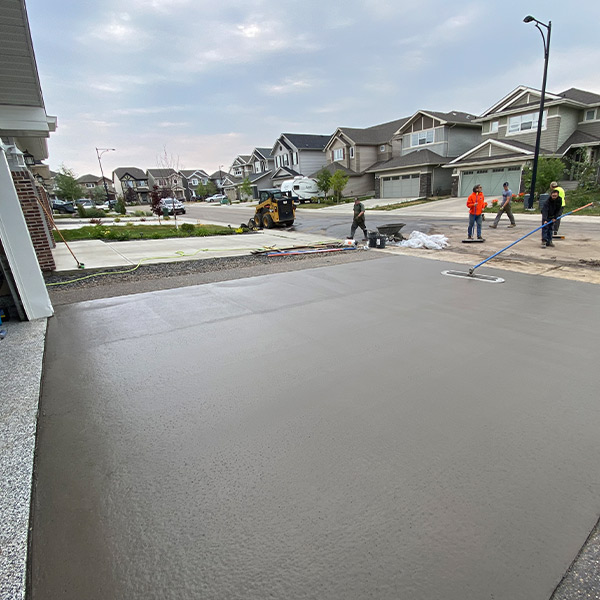
Smooth Trowel Finishes
Smooth trowel finishes represent the most basic concrete finish, achieved through careful application of steel trowels to freshly poured concrete. This technique creates a flat, glossy surface by systematically levelling, floating, and troweling wet concrete until imperfections disappear and a uniform appearance emerges.
Pros:
- Easy maintenance: The smooth surface allows for occasional cleaning with standard mopping and sweeping
- Modern aesthetic appeal: Creates a clean, minimalist appearance ideal for contemporary design schemes
- Cost-effective installation: Requires only basic tools and standard concrete finishing skills
- Ideal for interior floors: Perfect for garages, basements, and utilitarian spaces where functionality trumps decoration
- Quick application: Can be completed during the normal concrete finishing process without additional materials
Cons:
- Slippery when wet: The smooth finish becomes extremely hazardous in wet conditions, making it unsuitable for outdoor spaces
- Shows imperfections easily: Dust, scratches, and wear marks are obvious on the glossy surface
- Limited decorative appeal: Plain gray appearance offers minimal visual interest compared to other decorative options
- Not suitable for high traffic areas: Surface can show wear patterns and scuff marks in heavily used spaces
- Requires protective coatings: Concrete remains vulnerable to staining and damage without additional sealant application
Smooth trowel finishes are most effective in controlled indoor environments where moisture exposure is minimal, and the clean aesthetic aligns with design goals.
Broom Finish
The broom finish creates essential traction on concrete surfaces by dragging a broom across fresh concrete to establish directional ridges. This process enhances friction while maintaining the durability characteristics of the underlying concrete, making it a popular choice for outdoor applications where safety is paramount.
Pros:
Excellent slip resistance: The textured ridges provide superior grip, even when surfaces are wet
Economical installation cost: Minimal additional expense beyond standard concrete placement
Suitable for all weather conditions: Performs well in rain, snow, and varying temperature conditions
Easy application: Can be completed by general contractors without specialized training or equipment
Effective drainage: Texture channels water away from the surface, improving overall safety
Cons:
Collects dirt and debris: The textured grooves trap particles, requiring more frequent cleaning
Requires pressure washing: Thorough cleaning demands high-pressure water systems to remove embedded dirt
Limited aesthetic appeal: Functional but plain appearance compared to decorative alternatives
Wear patterns develop: High-traffic areas may show uneven wearing of the textured surface over time
Can be harsh underfoot: Rough texture may be uncomfortable for bare feet around pools or patios
Broom finishes excel in driveways, sidewalks, and other utilitarian concrete surfaces where slip-resistant properties outweigh aesthetic considerations.
Stamped Concrete
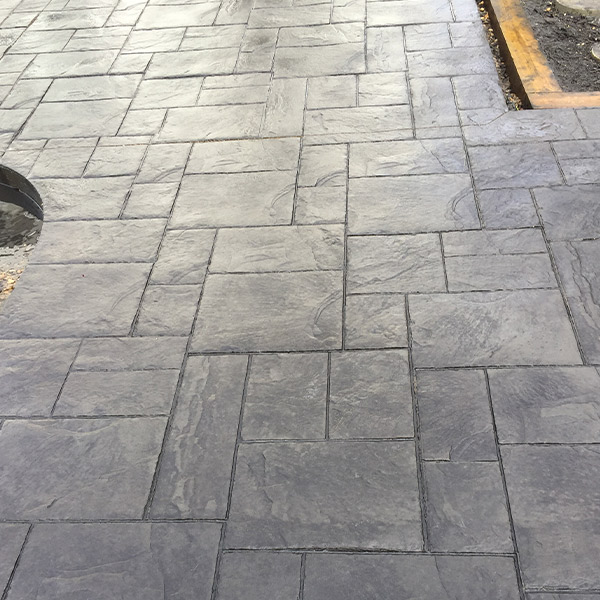
Stamped concrete finish involves pressing detailed patterns into wet concrete to replicate the appearance of natural stone, brick, tile, or wood. This technique requires skilled contractors who time the stamping process perfectly, ensuring that concrete reaches the ideal consistency for pattern impression while incorporating colour hardeners for enhanced visual appeal.
Pros:
- Replicates expensive materials: Achieves the look of natural stone or tile at a fraction of the material and installation cost
- Extensive design options: Hundreds of patterns available, from cobblestone to wood plank designs
- Increases property value: Attractive stamped surfaces can enhance curb appeal and overall property worth
- Customizable colour schemes: Multiple colour combinations possible through integral pigments and surface hardeners
- Versatile applications: Suitable for patios, pool decks, walkways, and decorative driveways
Cons:
- Higher installation costs: Requires specialized tools, materials, and experienced contractors
- Susceptible to cracking: Freeze-thaw cycles can cause cracking, particularly in northern climates
- Regular maintenance required: Needs resealing every 2-3 years to maintain appearance and weather protection
- Quality depends on contractor skill: Poor execution can result in uneven patterns or premature wear
- Colour fading possible: UV exposure may gradually fade surface colours over time
Stamped concrete works exceptionally well for decorative outdoor spaces where the goal is achieving high-end aesthetics without the expense of natural materials.
Exposed Aggregate Finish
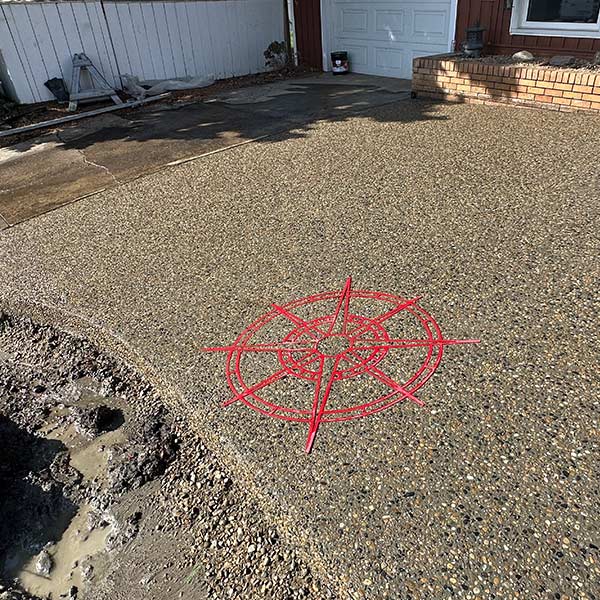
The exposed aggregate finish reveals decorative stones, pebbles, and other aggregate materials by removing the top layer of cement paste from fresh concrete. This process exposes embedded stones to create a naturally textured surface with excellent durability and unique visual characteristics.
Pros:
- Highly slip-resistant: The rough texture provides exceptional grip for wet and dry conditions
- Extremely durable: Exposed stones create a wear-resistant surface ideal for heavy use
- Natural aesthetic appeal: Showcases beautiful aggregate materials in earth tones and varied textures
- Customizable appearance: Different aggregate types and colours allow for personalized design schemes
- Long-lasting performance: Properly installed surfaces can last decades with minimal maintenance
Cons:
- Higher material and labour costs: Special aggregates and additional processing increase project expenses
- Rough on bare feet: Textured surface can be uncomfortable around pools or recreational areas
- Difficult to clean thoroughly: Irregular surface traps dirt and requires specialized cleaning methods
- Periodic aggregate replacement: Heavy wear may require occasional re-exposure or aggregate touch-ups
- Limited to specific aesthetics: Natural stone appearance may not suit all architectural styles
Exposed aggregate excels in pool surrounds, outdoor entertaining areas, and commercial spaces where both safety and durability are essential.
Polished Concrete
Polished concrete represents a premium finish achieved through grinding and polishing with progressively finer diamond abrasives. This multi-step process creates a reflective surface that combines exceptional durability with sophisticated aesthetic appeal, making it popular in both commercial spaces and modern residential applications.
Pros:
- Extremely durable surface: Polished concrete offers outstanding resistance to wear, heavy foot traffic, and equipment damage
- Low long-term maintenance: The hard surface requires only occasional cleaning and minimal upkeep
- Improves lighting efficiency: The reflective surface enhances ambient lighting, reducing energy costs
- Eco-friendly option: Utilizes existing slabs without additional materials, supporting sustainable building practices
- Hypoallergenic properties: Smooth surface doesn’t trap allergens, dust, or other particles
Cons:
- High initial investment: Specialized equipment and skilled technicians result in substantial upfront costs
- Slippery when wet: The glossy appearance can create slip hazards in wet conditions
- Susceptible to surface scratches: Heavy furniture and equipment can mar the polished finish
- Limited texture options: Achieves primarily a smooth, glossy appearance with minimal textural variation
- Professional installation required: Improper technique can result in uneven finish or surface defects
Polished concrete finishes shine in retail spaces, modern homes, warehouses, and showrooms, where the combination of durability and sophisticated aesthetics justifies the investment.
Salt Finish
The salt finish creates a unique decorative appeal by pressing coarse rock salt crystals into fresh concrete, then washing them away after initial curing. This technique produces small pits and subtle texture that enhances both visual interest and slip resistance while maintaining a relatively smooth overall profile.
Pros:
- Distinctive textured appearance: Creates an attractive speckled surface with small indentations
- Enhanced slip resistance: The pitted texture improves traction without being overly rough
- Relatively simple application: Straightforward process that most contractors can execute successfully
- Works well around pools: Provides adequate grip while remaining comfortable for bare feet
- Cost-effective decorative option: Achieves visual interest without expensive materials or complex techniques
Cons:
- Texture collects debris: Small pits can accumulate dirt, leaves, and organic matter over time
- May accelerate surface wear: The pitted texture can create stress concentration points, leading to faster deterioration
- Limited aesthetic flexibility: Subtle texture may not provide enough visual impact for some design goals
- Timing-critical application: Salt removal must occur at precisely the right curing stage for optimal results
- Maintenance complexity: Cleaning requires more attention to remove debris from surface pits
Salt finish works best for pool decks, spa areas, and decorative accent surfaces where subtle texture and moderate slip resistance meet aesthetic requirements.
Stained Concrete
A stained concrete finish transforms plain concrete through the application of acid-based or water-based stains that penetrate the surface to create rich, varied colours. This technique works on both new and existing slabs, offering extensive colour options from subtle earth tones to vibrant hues that can mimic natural materials like marble or leather.
Pros:
- Wide range of colour options: From translucent earth tones to bold, vibrant colours that enhance any design aesthetic
- Creates unique, variegated effects: Natural colour variations add character and authenticity to concrete surfaces
- Relatively affordable: Cost-effective alternative to expensive flooring materials while achieving a sophisticated appearance
- Works on existing concrete: Can revitalize old concrete without removal or replacement
- Suitable for indoor and outdoor applications: Versatile finish appropriate for various environments and uses
Cons:
- Colour fading with UV exposure: Outdoor applications may experience gradual colour loss over time
- Requires protective sealing: Regular resealing is necessary to maintain colour vibrancy and surface protection
- Results depend on concrete quality: Surface pH and concrete condition affect stain penetration and final appearance
- Limited to translucent effects: Cannot achieve solid, opaque colours like paint systems
- Professional application recommended: Proper surface preparation and stain application require experienced contractors
Stained concrete finishes prove popular for interior floors, patios, retail spaces, and artistic installations, where colour enhancement supports the overall design vision.
Factors to Consider When Choosing a Finish
Selecting the appropriate finish for concrete surfaces requires careful evaluation of multiple factors that affect both immediate performance and long-term satisfaction. Understanding these considerations helps property owners make informed decisions that balance aesthetic goals with practical requirements.
Climate Considerations
Temperature fluctuations, freeze-thaw cycles, and UV exposure have a significant impact on finish performance. Stamped concrete may crack in regions experiencing harsh winter conditions, while stained finishes can fade under intense sunlight. Exposed aggregate and broom finishes generally perform well across diverse climate conditions, making them reliable choices for challenging environments.
Traffic Patterns and Intended Use
Heavy-traffic areas require durable finishes, such as polished concrete or exposed aggregate, that resist wear and maintain their appearance over time. Pool decks and outdoor spaces benefit from finishes with excellent slip resistance, such as broom or salt finishes. Interior floors in commercial spaces often perform best with polished or epoxy finishes that withstand constant use.
Budget Constraints
Initial installation costs vary significantly between finish types, ranging from economical broom finishes to expensive polished concrete that requires specialized equipment. Consider long-term maintenance expenses when comparing options – low-maintenance finishes, such as polished concrete, may justify higher initial costs through reduced ongoing expenses.
Aesthetic Goals and Architectural Compatibility
The chosen finish should complement existing design elements and architectural styles. Modern, minimalist spaces often benefit from polished concrete or smooth finishes, while rustic or traditional designs may favour exposed aggregate or stamped patterns. Consider how the finish will age and whether it will maintain visual appeal over time.
Local Building Codes and Accessibility Requirements
Commercial applications must comply with accessibility standards regarding slip resistance and surface uniformity. Some jurisdictions have specific requirements for outdoor concrete surfaces, particularly in areas surrounding pools or in high-traffic pedestrian zones. Verify local codes before finalizing finish selection.
Maintenance Requirements by Finish Type
Understanding maintenance requirements helps property owners anticipate long-term ownership costs and select finishes that match their maintenance capabilities and preferences. Different finishes require varying levels of care to maintain appearance and performance.
Finish Type |
Smooth Trowel |
Broom |
Stamped |
Exposed Aggregate |
Polished |
Salt |
Stained |
Sandblasted |
Cleaning Frequency |
Weekly mopping |
Bi-weekly pressure washing |
Monthly cleaning |
Weekly cleaning |
Weekly dust mopping |
Bi-weekly cleaning |
Monthly cleaning |
Weekly cleaning |
Sealing Requirements |
Annual protective coating |
Every 2-3 years |
Every 2-3 years |
Every 3-5 years |
Every 5-7 years |
Every 2-4 years |
Every 1-2 years |
Every 2-3 years |
Special Maintenance |
Stain removal as needed |
Deep cleaning grooves |
Colour touch-ups, crack repairs |
Aggregate replacement |
Scratch repair, re-polishing |
Pit cleaning, debris removal |
Colour refresh, UV protection |
Texture restoration |
Regular Cleaning Protocols
Most decorative finishes benefit from regular cleaning using appropriate products and techniques. Smooth finishes require simple mopping, while textured surfaces need pressure washing or specialized cleaning methods to remove embedded dirt. Avoid harsh chemicals that can damage decorative coatings or alter surface appearance.
Sealing and Protection
Periodic sealing protects decorative finishes from weather damage, staining, and wear. The frequency depends on finish type, exposure conditions, and traffic levels. High-quality sealers extend finish life and maintain aesthetic appeal, making this maintenance investment worthwhile for most decorative applications.
Repair and Restoration
Address minor damage promptly to prevent larger problems. Small cracks can often be repaired with specialized products, while extensive damage may require professional restoration. Keep detailed records of maintenance activities to optimize long-term care strategies.
Cost Comparison and Return on Investment
Understanding the financial aspects of decorative concrete helps property owners evaluate options based on both initial investment and long-term value. Cost considerations extend beyond installation to include maintenance expenses, longevity, and potential enhancements to property value.
Installation Cost Ranges
Basic finishes, such as broom and smooth trowel, typically cost $3-$ 6 per square foot, including materials and labour. Mid-range decorative options such as stamped concrete and exposed aggregate range from $8 to $15 per square foot. Premium finishes, such as polished concrete, can cost $15-$ 30 per square foot due to the specialized equipment and skilled labour required.
Factors Affecting Pricing
Surface preparation requirements significantly impact project costs, particularly for existing slabs that need repair or levelling. Complex patterns, multiple colours, and custom designs can increase the costs of stamped concrete. Geographic location affects both material and labour costs, with urban areas typically commanding higher prices than rural regions.
Long-term Value Considerations
Decorative concrete finishes often enhance property value by improving curb appeal and creating visually appealing outdoor living spaces. Well-executed decorative concrete can provide returns of 75-100% of installation costs through enhanced property values. Consider the finish’s expected lifespan when evaluating cost-effectiveness; durable options like polished concrete may justify higher initial costs through an extended service life.
Commercial vs. Residential Applications
Commercial applications often benefit from finishes that reduce long-term maintenance costs, making higher initial investments in durable finishes, such as polished concrete, financially attractive. Residential applications may prioritize aesthetic appeal and initial affordability, making stamped or stained options more suitable for budget-conscious homeowners.
The most cost-effective alternative often combines reasonable initial costs with low maintenance requirements and good longevity, making options like exposed aggregate and quality-stamped concrete attractive for many applications.
Frequently Asked Questions
Which concrete finish is most slip-resistant for outdoor pool areas?
Exposed aggregate finish provides the best slip resistance for pool decks due to its naturally rough texture created by embedded stones. This finish maintains an excellent grip even when wet, while remaining durable enough to withstand constant exposure to moisture. Salt finish also works well around pools, offering good slip resistance with a more comfortable texture for bare feet.
Can decorative concrete finishes be applied to existing concrete slabs?
Several decorative finishes can be applied to existing slabs, including stained concrete, polished concrete, and sandblasted finishes. However, the existing slab must be in good condition without significant cracking or surface damage. Stamped concrete and exposed aggregate typically require application during initial concrete placement, making them unsuitable for existing surfaces without overlay systems.
How often do stamped concrete surfaces need to be resealed?
Stamped concrete should be resealed every 2-3 years to maintain weather protection and colour vibrancy. High-traffic areas or surfaces exposed to harsh weather conditions may require more frequent sealing, while protected areas can often extend intervals to 3-4 years. Regular inspection helps determine optimal sealing schedules based on actual surface conditions.
What is the typical lifespan of different decorative concrete finishes?
Properly installed and maintained decorative concrete finishes can last 15-25 years or more. Polished concrete often provides the longest service life, at 20-30 years, due to its exceptional durability. Exposed aggregate typically lasts 20-25 years, while stamped concrete averages 15-20 years with proper maintenance. Stained finishes may require colour refreshing every 10-15 years, but the underlying base concrete remains sound for much longer.
Which finish requires the least maintenance over time?
Polished concrete offers the lowest maintenance requirements among decorative options, needing only occasional cleaning and periodic sealing every 5-7 years. The smooth, hard surface resists staining and wear while remaining easy to clean and maintain. Exposed aggregate also requires relatively low maintenance, with minimal upkeep needed between sealing intervals, which occur every 3-5 years.