
Why Concrete Cracks: Understanding Causes, Types, and Prevention
Key Takeaways
- Concrete cracking is normal due to its low tensile strength, with most cracks forming during the curing process or from environmental stresses
- Main causes include excess water in the mix, rapid drying, lack of control joints, poor ground preparation, and overloading beyond design capacity
- Different crack types range from harmless cosmetic surface cracks to serious structural issues requiring immediate professional attention
- Proper prevention involves a correct mix design, adequate curing time, strategic control joint placement, and appropriate concrete strength for intended use
- Professional evaluation is recommended for cracks wider than 1/8 inch, growing cracks, or any foundation-related cracking
Concrete cracks appear in virtually every type of concrete structure, ranging from residential driveways to massive infrastructure projects. While seeing cracks in your concrete slab can be alarming, understanding why concrete cracks helps property owners and concrete contractors make informed decisions about prevention, repair, and when to seek professional attention.
The fundamental reason concrete cracks relates to a critical material limitation: concrete excels in compressive strength but has relatively poor tensile strength. When tensile stresses exceed the concrete’s capacity to resist them, cracking occurs. This occurs whether the concrete is in its plastic state during curing or after it has hardened into its solid state.
Primary Causes of Concrete Cracking
Understanding why concrete cracks begins with recognizing that concrete structures experience different stresses throughout their lifecycle. From the moment concrete contractors pour concrete until decades later, various factors can cause concrete cracking.
Concrete’s tensile strength represents only a fraction of its compressive strength. While concrete can withstand enormous compressive forces, even modest tensile stresses can cause cracks to form in concrete. This fundamental characteristic means that preventing cracking requires controlling the conditions that create tensile stress.
Excess Water in Concrete Mix
One of the most preventable causes of concrete cracking stems from adding too much water to the concrete mix. When concrete requires water for the chemical reaction that allows it to achieve maximum strength, excess water creates several problems that significantly increase the likelihood of cracking.
Excess mixing water reduces the concrete’s compressive strength, creating a weaker concrete matrix. As water evaporates during the curing process, it leaves behind voids that weaken the concrete surface and interior structure. This shrinkage process creates internal stresses that often exceed the concrete’s tensile capacity.
The water-to-cement ratio has a direct impact on crack resistance. Properly mixed concrete maintains optimal water content that allows complete hydration while minimizing shrinkage. However, on many job sites, workers add water to make concrete more workable, unknowingly compromising the structure’s long-term integrity.
When building owners notice settlement cracks or surface cracking within months of installation, improper-strength concrete, often poured with excess water, is usually the underlying cause. This practice creates concrete that appears fine initially but develops more cracks as moisture penetration accelerates, leading to concrete deterioration over time.
Rapid Drying and Improper Curing
Concrete hardens through a chemical reaction called hydration, which requires adequate moisture and time to achieve maximum strength. When concrete dries too rapidly, this process gets interrupted, resulting in weaker concrete that’s more prone to cracking.
Environmental conditions significantly impact curing quality. High temperatures, low humidity, and wind can accelerate moisture loss from concrete surfaces. When the concrete surface dries faster than the interior, differential shrinkage creates tensile stresses that cause plastic shrinkage cracks to form while the concrete remains in its liquid or plastic state.
Proper curing maintains moisture levels that allow concrete to reach its design strength. Without adequate curing, concrete may only achieve a fraction of its intended compressive strength, making it vulnerable to cracking under normal loading conditions. This is why well-established guidelines from the American Concrete Institute emphasize the importance of controlled curing environments.
The consequences extend beyond initial strength development. Inadequately cured concrete becomes more porous, allowing greater moisture penetration that accelerates concrete deterioration through freeze-thaw cycles and chemical reactions. This creates a cascade of future problems that could have been prevented with proper initial curing.
Inadequate Control Joint Installation
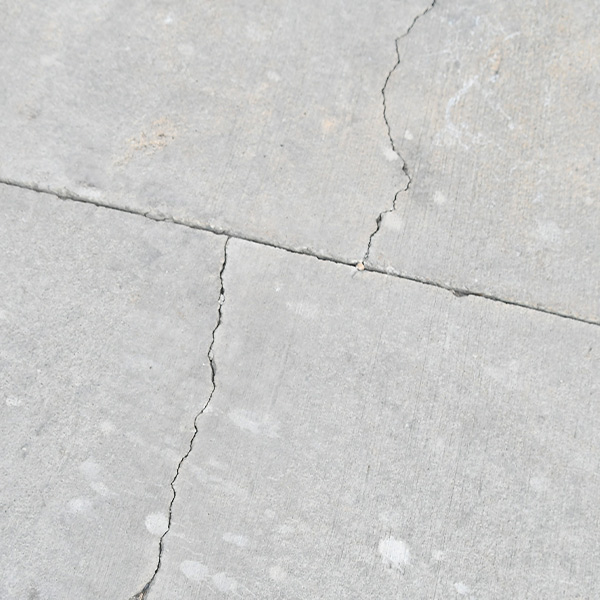
Control joints serve a crucial purpose in concrete construction, providing predetermined locations for cracks to form in a controlled pattern rather than at random. When control joints aren’t installed correctly, concrete develops random cracks that can compromise both appearance and structural integrity.
The proper spacing formula for control joints requires placement at intervals of 2-3 times the slab thickness in feet. For a 4-inch concrete slab, control joints should be spaced every 8 to 12 feet. This spacing helps ensure that natural shrinkage stresses concentrate at joint locations rather than creating random cracks throughout the surface.
Joint depth also matters significantly. Control joints must extend at least one-quarter of the slab depth to be effective. Shallow joints fail to control crack formation, while properly cut joints direct cracks to follow intended paths. Many contractors rush joint cutting or skip it entirely, leading to re-entrant corner cracks and other uncontrolled crack patterns.
Missing or improperly placed joints often result in heaving cracks when concrete experiences thermal expansion. Foundation walls and large slabs, in particular, benefit from strategic joint placement that accommodates movement while maintaining structural integrity.
Poor Ground Preparation and Support
The ground beneath the concrete provides critical support that affects crack development. When concrete contractors pour concrete on inadequately prepared surfaces, settlement cracks and structural damage often follow.
Proper ground preparation requires removing organic materials, achieving adequate compaction, and establishing stable subgrade conditions. Pouring concrete on frozen ground creates particular problems as thawing causes settlement that leads to cracking. Similarly, areas with recent utility trenches or backfilling require special attention to prevent future settlement.
Unstable soil conditions can cause differential settlement, resulting in stresses that exceed the concrete’s tensile strength. Clay soils that expand and contract in response to changes in moisture pose ongoing challenges for concrete structures. Professional site evaluation helps identify these conditions before concrete placement.
Base materials play a crucial role in distributing loads and providing uniform support. Inadequate base preparation or poorly compacted backfill creates conditions that cause concrete to experience uneven support, leading to settlement cracks that worsen over time. These underlying problems often require structural repairs rather than simple crack repair.
Common Types of Concrete Cracks
Different types of concrete cracks indicate various underlying causes and severity levels. Understanding these distinctions helps building owners determine when cracks represent cosmetic issues versus serious structural concerns requiring immediate attention.
Visual characteristics provide essential clues about crack causes and severity. Crack width, length, location, and pattern all contribute to understanding whether cracks indicate normal settlement, environmental stress, or structural problems. Professional evaluation becomes essential when crack characteristics suggest potential structural issues.
Surface-Level Cracks
Surface-level cracks typically affect only the concrete surface without compromising structural integrity. These cracks often develop during initial curing or due to environmental exposure, but they don’t necessarily indicate serious underlying problems.
Plastic shrinkage cracks form while concrete remains in its plastic state, appearing as irregular lines across the surface. These hairline cracks develop when surface moisture evaporates faster than moisture can rise from below to replace it. While cosmetically undesirable, plastic shrinkage cracks rarely affect structural performance.
Crazing creates a spiderweb pattern of fine surface cracks, resulting from rapid surface drying. These small cracks rarely penetrate deeply into the concrete but can allow moisture penetration that accelerates concrete deterioration over time. Crazing often indicates improper curing conditions during the installation process.
Hairline cracks may appear minor, but can extend deeper than their surface appearance suggests. These cracks often develop from thermal stress or minor settlement and typically require sealing to prevent moisture penetration. While not immediately dangerous, hairline cracks can grow if underlying causes aren’t addressed.
Structural Movement Cracks
Structural movement cracks occur when forces exceed the concrete’s capacity to accommodate the stress. These cracks indicate more significant underlying issues that may require structural attention.
Settlement cracks develop when the ground beneath concrete moves or compacts unevenly. These cracks often appear months or years after installation and tend to grow over time. Settlement cracks in foundation walls require immediate professional evaluation as they may indicate serious structural problems.
Heaving cracks occur when ground expansion pushes upward against concrete structures, causing them to shift. Frost heaving in cold climates can lift concrete slabs, while expansive soils create similar problems in other regions. These cracks often coincide with seasonal changes and may indicate the need for improved drainage or soil modification.
Re-entrant corner cracks form around embedded objects or changes in slab geometry. These stress concentrations create crack-prone areas that benefit from additional reinforcement or strategic joint placement. Properly designed concrete accounts for these stress concentrators.
Overload cracks indicate that applied loads exceed the concrete’s design capacity. These cracks suggest either an inadequate initial design or loads exceeding the intended use. A professional structural evaluation is essential to determine safe load limits and identify necessary reinforcement.
Serious Structural Cracks
Serious structural cracks pose a threat to the integrity of concrete structures and require immediate professional attention. These cracks indicate conditions that may compromise safety or lead to accelerated deterioration requiring extensive structural repairs.
Foundation settlement cracks, which affect building stability, represent the most serious category of concrete cracking. These cracks often appear in basement walls, foundation elements, or load-bearing structures. Signs include doors or windows that stick, visible building movement, or cracks that continue growing.
Corrosion cracks develop when reinforcing steel rusts and expands within the concrete, causing the concrete to crack. This process, known as accelerated corrosion, creates internal pressure that causes concrete to crack from within. Once started, this process accelerates rapidly as cracked concrete allows increased moisture penetration that further accelerates corrosion.
Load-bearing capacity reduction occurs when cracks compromise the concrete’s ability to carry the designed loads safely. A professional engineering evaluation becomes essential to determine the remaining capacity and necessary repairs. These situations often require immediate load restrictions until proper repairs are completed.
Signs requiring immediate attention include cracks wider than 1/8 inch, actively growing cracks, or any cracking that affects structural elements. A professional structural evaluation helps determine the appropriate repair strategies and ensures continued safety.
Environmental Factors Contributing to Cracking
Environmental conditions create ongoing stresses that contribute to concrete cracking throughout a structure’s lifetime. Understanding these factors helps in both preventing and diagnosing cracking problems.
Freeze-thaw cycles represent one of the most destructive environmental factors affecting concrete. Water that penetrates concrete pores freezes and expands, creating internal pressure that can cause the concrete to crack from within. Areas with frequent freeze-thaw cycles require concrete that is resistant to these conditions.
Chemical reactions within concrete can cause expansion and cracking over time. Alkali-silica reaction occurs when specific aggregates react with alkaline compounds in cement, creating expansive products that cause internal cracking in concrete. Sulphate attack from groundwater or soil exposure can similarly damage concrete through chemical expansion.
Moisture penetration accelerates many deterioration mechanisms that lead to cracking. Once moisture enters concrete, it enables freeze-thaw damage, chemical reactions, and reinforcement corrosion that create further damage. This explains why proper sealing and crack repair prevent much larger problems.
Temperature variations cause concrete to expand and contract, creating stresses that can exceed tensile strength when movement is restrained. Large temperature swings in exposed concrete require careful design consideration to accommodate thermal movement without cracking.
Preventing Concrete Cracks
Effective crack prevention begins with proper planning and continues through installation, curing, and long-term maintenance. Understanding prevention strategies helps building owners make informed decisions about concrete projects.
A proper concrete mix design provides the foundation for crack-resistant concrete. Using appropriate water-cement ratios, selecting suitable aggregates, and specifying adequate strength ratings for intended applications helps ensure long-lasting performance. Working with qualified concrete contractors who understand these principles significantly reduces the risk of cracking.
Strategic control joint placement during installation directs cracking to predetermined locations where it won’t compromise function or appearance. Proper joint spacing, depth, and timing help accommodate concrete shrinkage and thermal movement, ensuring a stable structure. This proactive approach prevents random cracking, which is more difficult to control.
Adequate curing procedures maintain moisture levels that allow concrete to achieve maximum strength and durability. This includes protecting concrete from rapid moisture loss, maintaining suitable temperatures, and allowing sufficient time for strength development. Rushing the curing process often leads to future problems that cost far more than proper initial procedures.
Quality ground preparation and compaction techniques provide stable support, preventing settlement-related cracking. This includes proper soil evaluation, adequate compaction, appropriate base materials, and consideration of local soil conditions. Investing in adequate subgrade preparation prevents many common cracking problems.
Using correct concrete strength ratings for intended applications ensures adequate capacity for expected loads. Underspecified concrete may crack under regular use, while properly designed concrete provides sufficient safety margins. Professional design assistance ensures that specifications are tailored to specific applications.
Weather considerations during pouring and curing significantly affect crack development. Hot, windy conditions require special precautions to prevent rapid drying, while cold weather may require heating or extended curing periods. Planning concrete placement for favourable weather conditions improves long-term performance.
When Professional Help is Needed
Determining when concrete cracks require professional evaluation helps building owners make appropriate repair decisions and avoid safety risks. Understanding severity indicators guides this critical decision-making process.
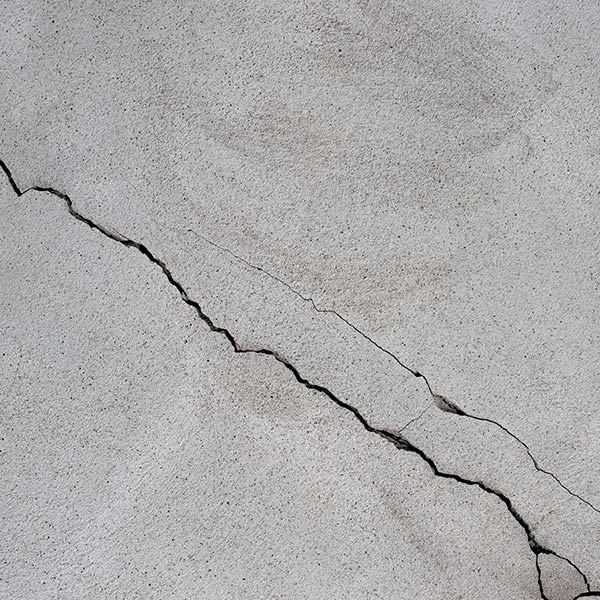
Crack width guidelines provide useful initial assessment tools. The “credit card test” suggests that cracks wider than a credit card (about 1/8 inch) warrant professional evaluation. However, crack width alone doesn’t determine severity – location, growth rate, and structural context also matter significantly.
Signs of active movement or growing cracks indicate ongoing problems that require professional attention. Measuring crack width over time helps identify active movement, while seasonal changes may indicate thermal or moisture-related issues. Growing cracks suggest underlying problems that won’t resolve without intervention.
Evaluating foundation and structural cracks requires professional expertise to determine their safety implications and recommend appropriate repairs. These evaluations often involve structural engineering analysis to understand load paths, determine remaining capacity, and design effective maintenance. Amateur repairs of structural cracks may compromise safety.
The difference between cosmetic repairs and structural interventions affects both cost and urgency. Surface repairs may address cosmetic concerns, but won’t solve underlying structural problems. Professional evaluation distinguishes between these scenarios and recommends appropriate action levels.
Timeline considerations vary significantly depending on the type and severity of the crack. Structural cracks may require immediate attention, while cosmetic cracks might be addressed during planned maintenance cycles. Professional assessment helps establish appropriate timelines that strike a balance between safety and practical considerations.
Professional repair services often provide warranties and use materials specifically designed for concrete repair. These services typically include proper surface preparation, compatible repair materials, and techniques that provide long-lasting solutions. Quality repairs often cost less than multiple amateur attempts that fail to address the underlying causes.
Frequently Asked Questions
Is it normal for new concrete to develop small cracks within the first year?
Yes, small hairline cracks in new concrete are pretty common and often normal. Concrete continues to cure and adjust for months after installation, and minor shrinkage cracks frequently develop during this period. However, cracks wider than 1/8 inch or those that continue growing should be evaluated by professionals, as they may indicate installation issues or inadequate design.
Can concrete cracks be eliminated during construction?
While concrete cracks can’t be eliminated, proper construction practices can significantly minimize them. Strategic control joint placement directs cracks to predetermined locations where they’re less problematic, proper mix design reduces shrinkage potential, and adequate curing helps concrete achieve maximum strength. The goal is to control where and how cracks occur, rather than eliminating them.
What’s the difference between acceptable settlement cracks and problematic foundation movement?
Acceptable settlement cracks are typically hairline fractures that appear within the first year and remain stable over time. Problematic foundation movement involves cracks that continue growing, affect multiple areas, or coincide with doors/windows sticking or visible building distortion. A width exceeding 1/8 inch or any horizontal displacement typically indicates serious foundation issues that require immediate professional evaluation.
How do weather conditions during installation affect long-term cracking?
The weather during concrete placement has a significant impact on long-term performance. Hot, windy conditions cause rapid surface drying, which creates plastic shrinkage cracks, while cold weather can interrupt proper curing and reduce the final strength. High-quality contractors adjust their procedures to accommodate weather conditions, employing techniques such as fog spraying in hot weather or heating in cold conditions to ensure proper curing.
When should hairline cracks be sealed versus left alone?
Hairline cracks should be sealed when they penetrate the full surface depth or are located in areas prone to moisture exposure, such as exterior surfaces or regions subject to freeze-thaw cycles. Interior hairline cracks that remain stable and don’t penetrate deeply may be left alone if they don’t compromise function. However, sealing is generally recommended as a preventive measure against moisture penetration that can worsen cracking over time.